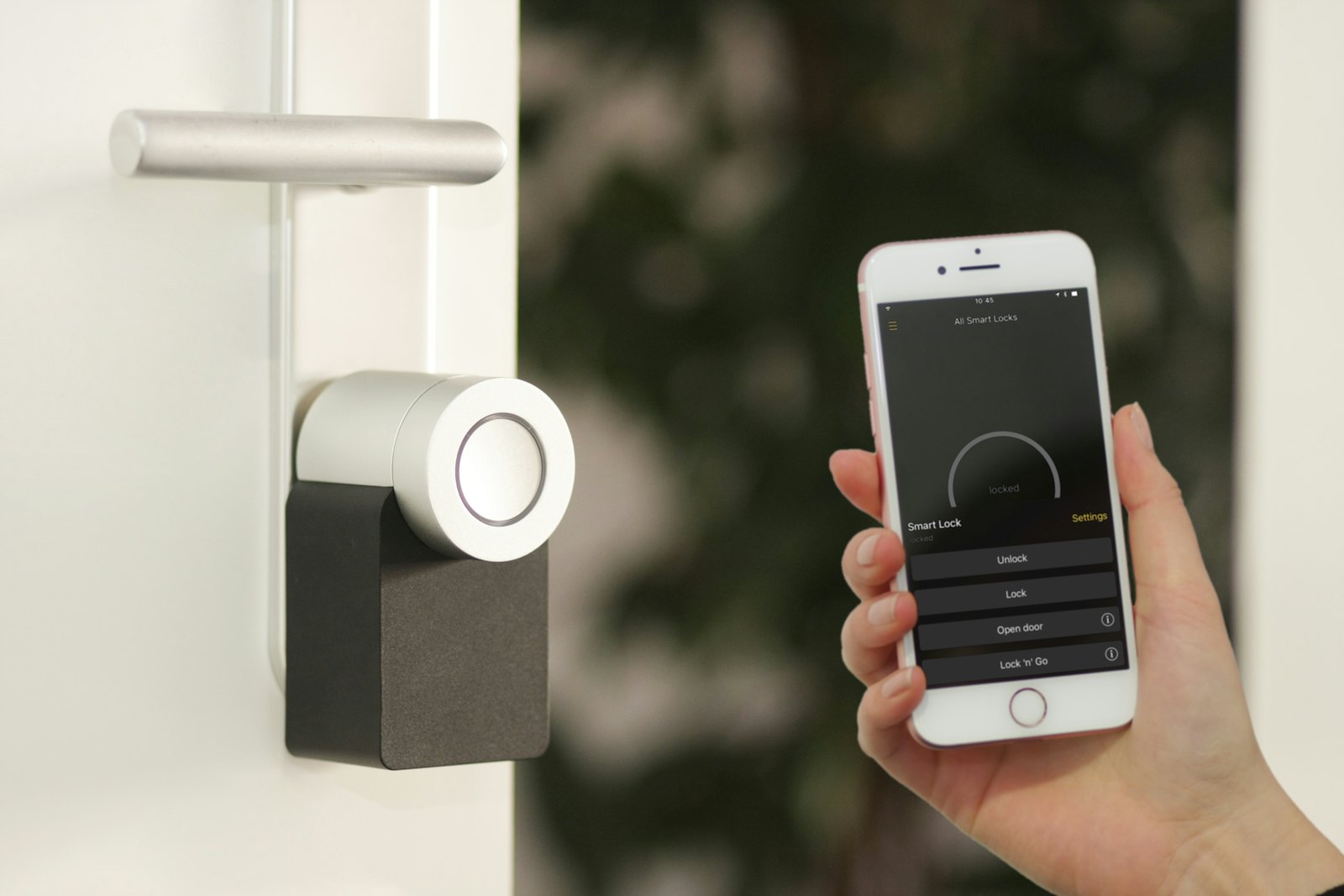
Smart locks are one of the most returned smart home products on the market, and I understand why. The promise is simple — unlock your door with your phone, set codes for the dog walker, get notified when your kids get home. The reality is that most smart locks fail within three years, usually because of one of two problems: the motor strips out under heavy use, or the app stops being supported and the lock becomes a very expensive deadbolt.
1 · Why most smart locks fail
There are two categories of smart lock failure. The first is mechanical: cheap motors on $80 locks weren't designed for 20 lock/unlock cycles a day. If you have teenagers or a busy household, you'll burn through a no-name lock in 18 months. The second is software: smaller brands get acquired, pivot, or go under — and when they do, the app disappears or stops receiving updates, and suddenly your "smart" lock requires a key like everyone else's.
The locks that survive long-term share one characteristic: they were designed by companies that have been making mechanical locks for decades and added smart features, rather than tech startups that added a lock to their app.
The best smart lock is built by someone who was making good dumb locks first. The motor has to last as long as the brass.
2 · The three I recommend
Schlage Encode Plus — This is what I have on my own door. Built-in WiFi, no hub required, works with Apple Home and Google Home, and Schlage's mechanical heritage means the bolt and motor are overbuilt. The Encode Plus adds Matter support and has a Z-Wave backup radio for smart home integrations. Around $250. My top pick for most households.
Yale Assure Lock 2 — The best choice if you're deep in the Apple ecosystem. Matter-over-Thread support means it works as a Thread border router extension, and the integration with HomeKit is the tightest I've tested. Comparable build quality to the Schlage. Around $220.
August Smart Lock Pro — The retrofit option. This replaces only the interior thumb-turn, leaving your existing deadbolt (and keys) in place. Perfect for renters who can't replace the full lock, or for clients who want to add smart features without changing their exterior hardware. Around $180. The tradeoff: auto-lock and auto-unlock work via Bluetooth, which means proximity-based unlock requires your phone, not a keypad.
3 · Brands to avoid
Any smart lock sold on a big-box store endcap under a brand you don't recognize is a risk. I've removed five locks in the past two years because the companion app was abandoned. One client had a lock that stopped working entirely when the manufacturer's authentication servers went offline — the lock would not open via code, app, or anything except the physical key. That's not a smart lock. That's a liability.
4 · Installation notes
More than half of the "my smart lock is broken" calls I get are actually door alignment problems. A smart lock motor is not strong enough to compensate for a misaligned strike plate the way a human hand can. If your door requires a firm push or lift to lock, fix the door frame first — adjust the strike plate so the bolt seats cleanly. A $5 fix. A misaligned door will destroy a $250 lock in six months.