Every week I get a version of the same call. A homeowner tells me their WiFi is dead in the bedroom, the garage, or the home office — and that they just bought a new router and it still doesn't reach. Before I say anything else, I ask one question: where is the router?
The answer is almost always: "in the living room, where the cable comes in." That single fact explains 80% of the dead-zone complaints I hear. Not the router brand. Not the router age. Not the ISP. The router's location — and the architecture of the house around it.
1 · The router myth
The home-networking industry sells routers like they're light bulbs: if the room is dark, get a brighter bulb. A bigger antenna, a faster processor, Wi-Fi 7 instead of Wi-Fi 6. The marketing is compelling because it's partially true — a better router does radiate signal more efficiently. But if a wall of brick or concrete is standing between the router and the bedroom, a $600 router will fail just as reliably as a $60 one.
Radio signal, which is what WiFi is, degrades as it passes through material. The amount of degradation depends on the material. Drywall is almost transparent. Wood is mildly absorptive. Brick absorbs significantly. Concrete and rebar can stop a signal cold. And here's the part that surprises most people: distance is rarely the primary culprit. I've seen a router 20 feet away with no line-of-sight fail to reach a device, while a router in another room 50 feet away with clear drywall delivers full bars.
Stand in your dead zone with your phone. Walk slowly back toward the router, following the path you'd walk through the house. Note the point where signal improves. That point is almost always a doorway, a hallway opening, or a stairwell — not a distance threshold.
2 · What's actually causing it
In twelve years of residential installs in Baton Rouge, I've found the same five culprits behind nearly every dead zone:
- Masonry walls — older construction, garages, and exterior walls with brick veneer are the #1 cause.
- Foil-backed insulation — surprisingly common in Louisiana construction. Foil is essentially a Faraday cage for WiFi.
- HVAC ducts running through walls — sheet metal ductwork reflects and absorbs 2.4 GHz and 5 GHz signal.
- Bad router placement — routers in closets, cabinets, or low to the floor lose 30–50% of usable range before the signal even enters the room.
- Channel congestion — in dense neighborhoods, neighboring networks compete for the same airspace.
Distance is rarely the problem. What's between the router and the device is almost always the problem.
3 · The floor-plan method
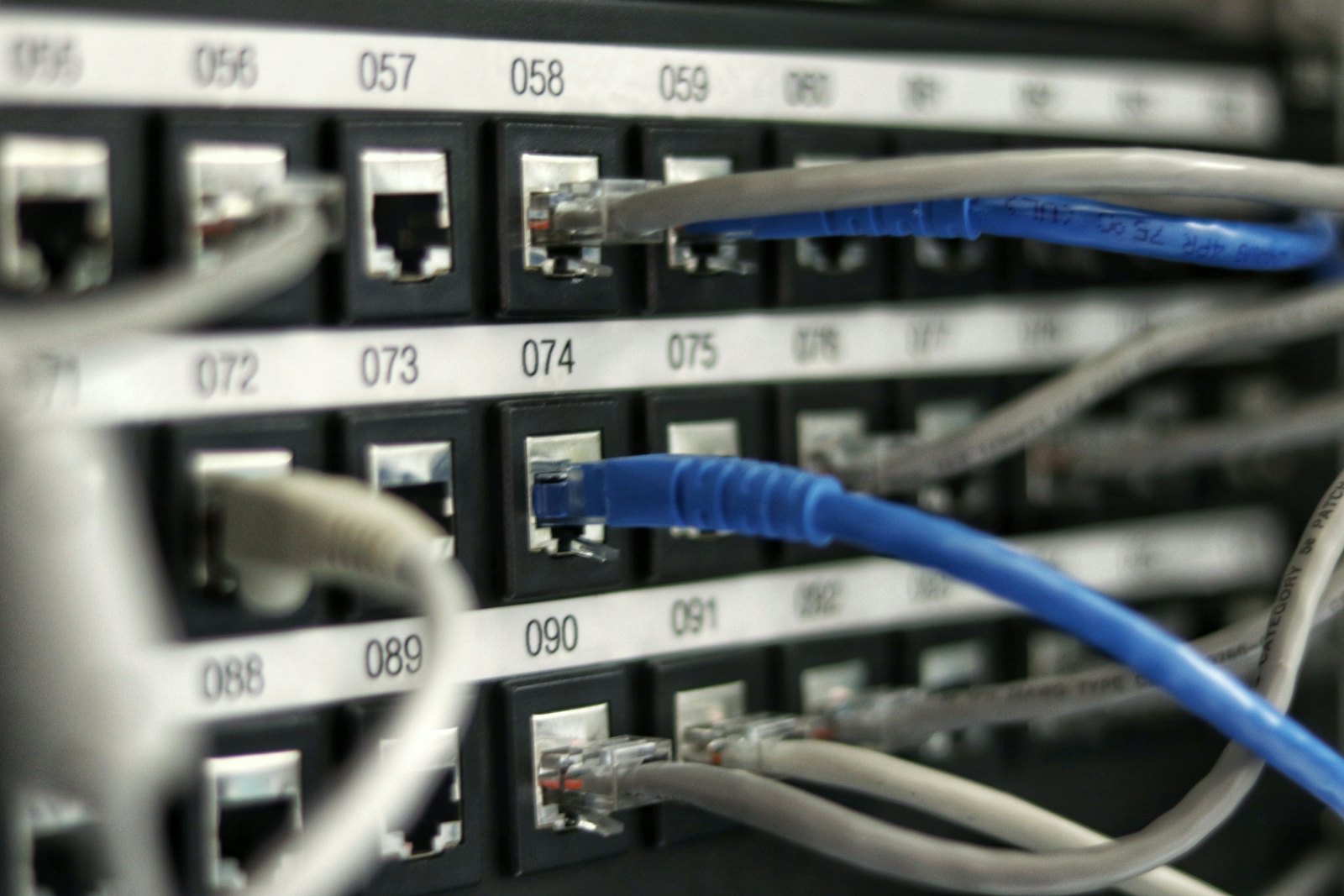
Before recommending anything, I ask clients to draw a rough floor plan. We trace two things: the path the cable runs to the router, and the walls between the router and the problem areas. It takes about ten minutes and almost always identifies the issue before we touch a single piece of hardware.
4 · Fixes by problem type
Placement fix — free
If the router can be moved — even 10 feet — toward the center of the house, coverage improves dramatically. A $15 flat ethernet cable under a rug can move a router from a corner to a hallway and solve 70% of coverage complaints.
Access point fix — $80–$150
A single wired access point in the problem area solves it permanently. A short ethernet run through a wall or attic, a ceiling-mount access point (Ubiquiti UniFi Express or TP-Link EAP for smaller homes), and the dead zone is gone.
Mesh fix — $250–$600
Mesh systems work well in open floor plans but struggle with brick walls and foil insulation because the backhaul between nodes has the same problem as the original router-to-device connection.
5 · When it actually is the router
About 20% of the time, the router is genuinely the problem: it's more than five years old, pre-dates WiFi 6, or the firmware hasn't been updated in years.
6 · The right upgrade path
Step 1: Move the router as central as possible. Off the floor, away from metal. Free.
Step 2: Identify the wall. If masonry separates the router from the problem area, no mesh will solve it without a wired node on the far side.
Step 3: Run one ethernet cable through the attic to inside the dead zone. Mount a $60–$100 access point. Permanent fix.
The most expensive WiFi system I've ever installed was four Ubiquiti access points, $1,100 total. That house had been through three mesh systems — $1,400 spent — that never solved the problem. Before you buy anything, draw the floor plan and trace the walls.